
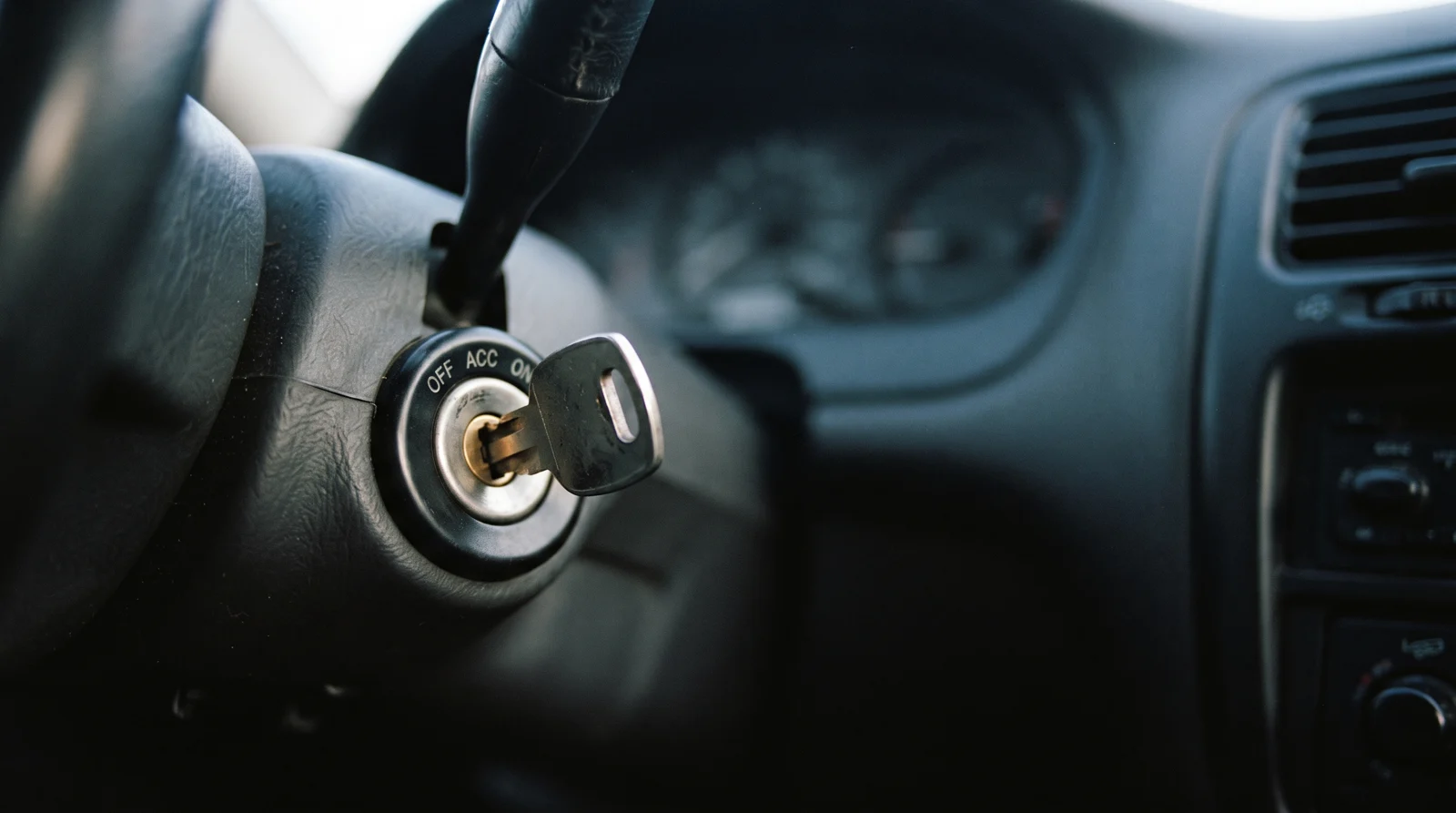
When a key won't turn in the ignition, you're usually looking at one of four culprits: a locked steering wheel, a worn or bent key, a worn ignition cylinder, or a failing ignition switch. Start with a spare. If it turns the ignition and your original doesn't, the original is the problem. If the spare binds too, the cylinder moves to the top of the list.
Below is a driveway test you can run in order, so you know which part actually failed before you replace the wrong one. We're a mobile locksmith in Wilmington, DE, and it's the same sequence we'd walk through before picking up a single tool.
Key Takeaways
- A spare key that turns the ignition means your original key is worn or bent.
- If the spare also binds, and the steering wheel and shifter check out, suspect the ignition cylinder.
- Stalling or a no-crank with a free-turning key points more toward the ignition switch than the cylinder.
- Don't force the key or pound on the cylinder. A spray may help briefly, but a worn cylinder needs repair.
Contents
- What should you check before blaming the cylinder?
- How do you tell a worn key from a worn cylinder?
- Cylinder or ignition switch: which part failed?
- Which quick fixes are safe, and which make it worse?
- What happens if it's the cylinder?
- Why do older cars run into this more?
- Frequently asked questions
What should you check before blaming the cylinder?
A locked steering wheel is one of the most common reasons a key won't turn, and you can rule it out in seconds. AutoZone's guide to a key that won't turn puts it first on its list of suspects, ahead of a shifter that isn't fully in Park or Neutral, a bent or worn key, and something stuck in the keyway. Even Toyota's support page points at a locked wheel, or at a key that belongs to a different vehicle.
Work through these in order:
- Wiggle the steering wheel left and right while you gently turn the key. The wheel locks when the key is removed, and pressure on the lock can pin the cylinder. You may feel or hear a click when it releases.
- Reseat the shifter. Push it fully into Park (or Neutral), then try again.
- Check you have the right key. It sounds silly. It happens, especially with two similar cars or a spare on a crowded ring.
- Look in the keyway with a flashlight for lint or a broken key fragment.
- Check the fob battery if your car is push-to-start. As Acme Locksmith points out, a weak key fob can block the start sequence even though the dash lights up.
Still stuck? Good, because that narrows it down to the key or the lock itself. The next test tells you which.
How do you tell a worn key from a worn cylinder?
Nothing beats a spare key for a quick answer. RepairPal says to check the key for wear and try a spare first, because a new key may be all you need. Acme Locksmith agrees: with the wheel free and the shifter seated, a spare that turns the ignition means your main key is too worn. If more than one key fails, Acme says the wafers inside the cylinder are damaged or stuck.
We call it the 3-Key Check. You're comparing your keys against the same ignition:
| Key | What to try |
|---|---|
| Your spare | Insert it, turn it, and notice how it feels |
| Your original | Same ignition, same motion |
| A second key | If you only have one, a locksmith can cut another and test it |
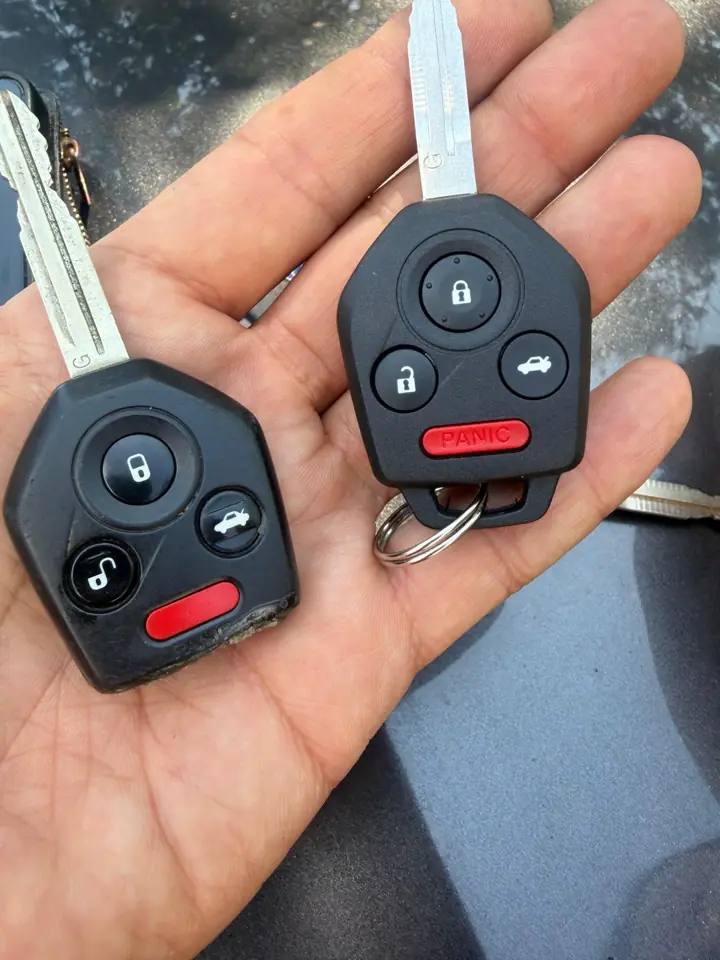
Read the results like this:
| Result | What it means | Next step |
|---|---|---|
| Spare turns, original binds | Original key is worn or bent | Have a new key cut; no ignition work needed |
| Both keys bind | The cylinder is the likely problem | Stop forcing it and read the next sections |
| Both keys turn, but the car won't crank or it stalls | Points past the cylinder to the switch or the electrical side | See the next section |
| Both keys turn, car starts | It was the steering lock or debris | Keep a close eye on it; a recurring stick is an early warning |
A worn key isn't harmless, though. Acme Locksmith says a worn key wears the cylinder too, and AutoParts.com lists a bent or worn-out key among the causes of cylinder damage. If a key feels rough, replace it.
Cylinder or ignition switch: which part failed?
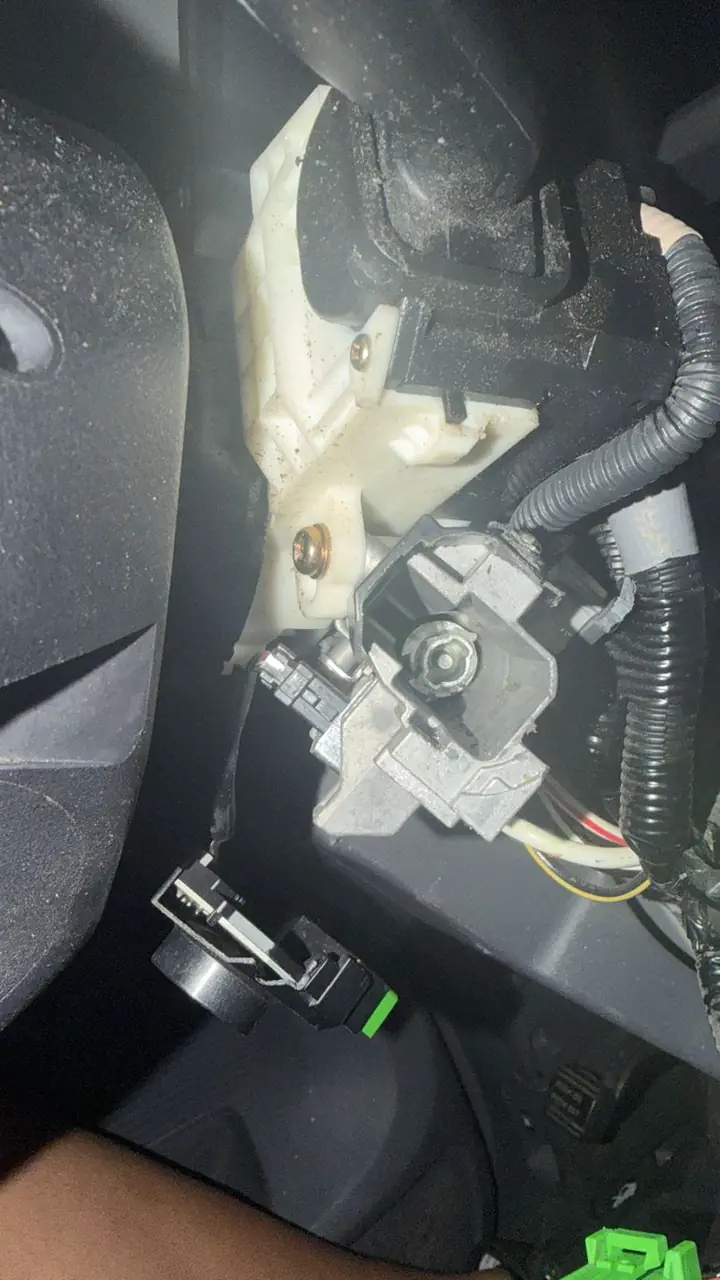
What is an ignition lock cylinder? It's the mechanical lock your key slides into. The ignition switch is a separate electrical part tucked behind it in the steering column. RepairPal draws the same line: the cylinder is the mechanical tumbler your key slides into, and the switch is the electrical portion that sends power to the vehicle. A key that's difficult to turn is a classic sign of a worn cylinder. But FridayParts notes that a sticking or rough key can sometimes come from wear in the switch instead, so the symptoms overlap.
The two parts fail in different ways, so a wrong guess here means the wrong repair.
| What you notice | Points to the cylinder | Points to the switch |
|---|---|---|
| Key is stiff, sticks or needs jiggling | Yes | Sometimes |
| Key won't go in or won't come out | Yes | Rarely |
| Steering wheel stays locked | Often | Rarely |
| Dash lights come on but the engine won't crank | Sometimes | Yes |
| Engine stalls while driving | Rarely | Yes |
| Accessories cut out intermittently | Rarely | Yes |
AutoParts.com counts a key that won't go in or come out, and a steering wheel that stays locked, among the cylinder symptoms. It also notes that a failed switch can stall the engine.
Because the sources overlap on these symptoms, treat the table as a guide, not a verdict. And don't assume every no-crank is the switch. FridayParts points out that a weak battery, a starter on its way out or a wiring fault can produce the same symptoms, so check those too.
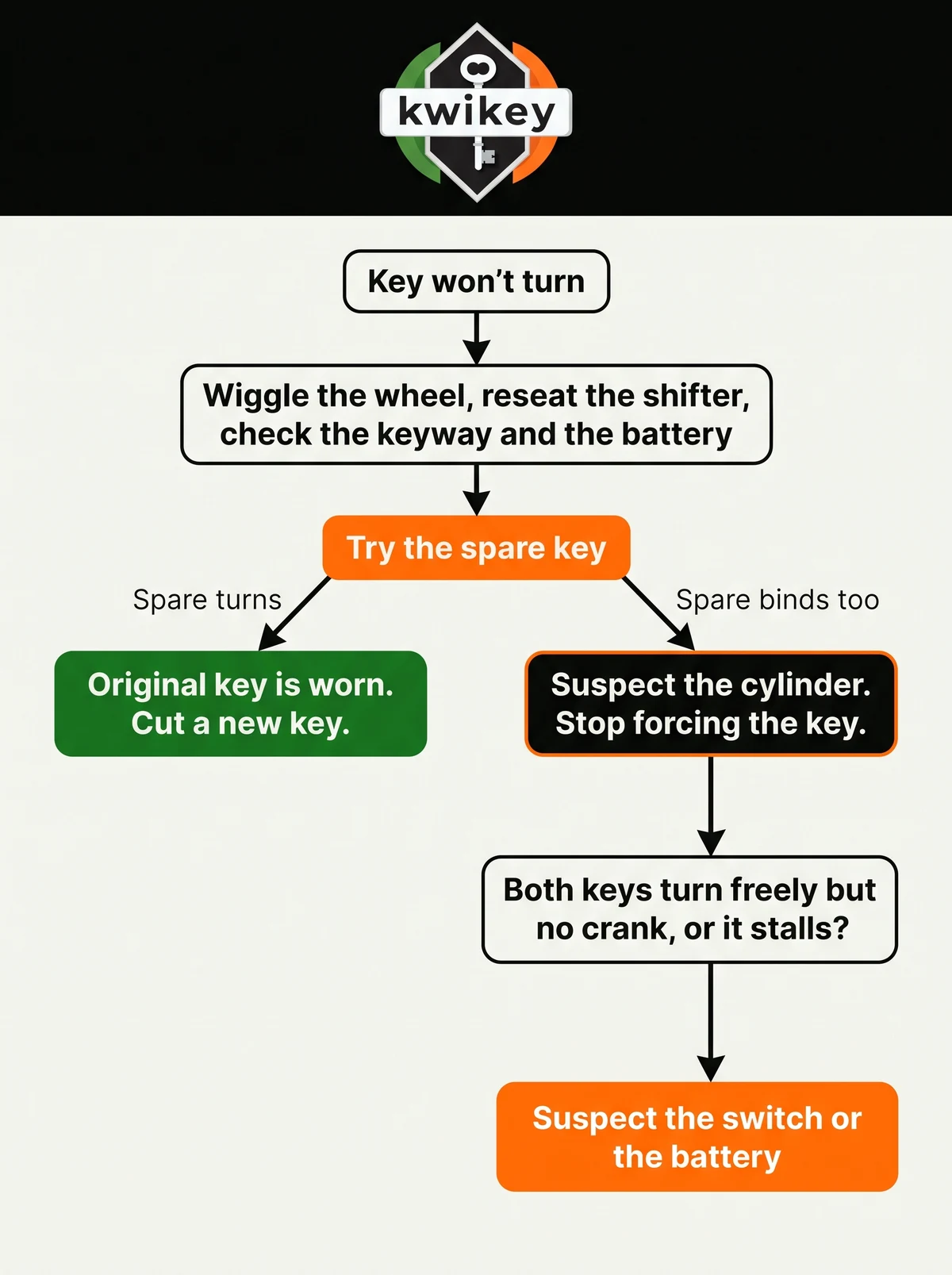
Here's the whole path in one picture:
Which quick fixes are safe, and which make it worse?
Lubricant is worth a try, but it only buys you time, and the sources don't agree on which kind to use. RepairPal says graphite or WD-40 have helped some people for a while, though they don't work for long, and replacement is the only real cure for a worn cylinder.
AutoZone suggests a small amount of WD-40 or penetrating lubricant to clear debris. Acme Locksmith takes a different view: it recommends a PTFE (Teflon) spray and says to skip graphite, which can build up, and oily sprays like WD-40, which can gum up the cylinder.
Do:
- If you try a spray, use a small amount of a dry PTFE lubricant, which is what Acme Locksmith recommends.
- Blow loose debris out with compressed air.
Don't:
- Pound on the cylinder. The most Acme Locksmith suggests is a light tap with the heel of your hand or the back of a screwdriver while turning. Anything harder risks damage.
- Hang a heavy ring off the ignition key. Acme Locksmith says the weight wears the cylinder over time. In 2014, GM recalled 2,190,934 vehicles under NHTSA Campaign 14V047000 because weight on the key ring or a jolt could move the ignition switch out of the run position and shut off the engine. GM's interim advice was to remove everything from the key ring except the ignition key.
- Force the key. A snapped key turns a diagnosis problem into a broken key extraction job. We cover that separately in what to do when a key snaps in the lock or ignition.
- Keep trying for twenty minutes. If the spare binds too, more effort won't free it.
What happens if it's the cylinder?
If both keys bind and the easy causes are off the table, the cylinder is worn or jammed. That job needs a technician's hands, not another round of jiggling in the driveway.
In Wilmington and nearby Pennsylvania, that's where our mobile ignition cylinder repair in Delaware comes in. The service page explains how we diagnose the problem and what the visit includes.
Driving a car with a chip key? Ask whether key programming is part of the job, because on some vehicles a new cylinder means the keys have to be matched again. Our transponder key service page covers that side. And if the answer turns out to be a worn key, car key replacement is the simpler route.
Not sure what you're dealing with? Call (302) 551-2550 and tell us what the key does. We'll say whether it sounds like the key, the cylinder or the switch before anyone drives out.
Why do older cars run into this more?
Mechanical ignition cylinders wear with use, and the cars on the road keep getting older. In 2025, S&P Global Mobility reported that the average US light vehicle reached 12.8 years old, and passenger cars averaged 14.5.
AutoParts.com says there's no fixed lifespan for an ignition cylinder, but that one typically lasts 80,000 to 150,000 miles depending on usage and maintenance. That doesn't prove how fast any one cylinder wears, and push-to-start cars skip the key cylinder entirely, so this guide applies to cars with a physical key. Still, it helps explain why a sticking key is such a common call.
Frequently Asked Questions
How do I know if my ignition cylinder or my key is bad?
Try a spare key. If the spare turns the ignition and your original doesn't, the original key is worn or bent. If both keys bind, and the quick pre-checks come up clean, the cylinder is the likely cause. Stalling or a no-crank with free-turning keys points toward the switch.
Why won't my key turn when the steering wheel is locked?
The wheel locks when the key is removed, and pressure on the lock holds the cylinder in place. Turn the wheel gently in the direction it will move while you turn the key. If it releases, the lock was binding, not the cylinder. If it won't move at all, stop and get it checked.
Can a worn key damage the ignition cylinder?
Yes, over time. Acme Locksmith says a worn key wears the cylinder too, and AutoParts.com lists a bent or worn-out key among the causes of cylinder damage. A key that feels rough or loose is worth replacing early. Acme also advises against hanging heavy keychains off the ignition key, because the weight wears the cylinder.
Ignition cylinder vs. ignition switch: what's the difference?
The cylinder is the mechanical lock your key enters. The switch is the electrical part behind it in the steering column. RepairPal links a hard-to-turn key to a worn cylinder, but FridayParts notes a sticking key can sometimes come from the switch too. Stalling and electrical no-start symptoms point more strongly to the switch.
Is it safe to use WD-40 in a car ignition?
It may free a stuck cylinder briefly, but it isn't a lasting fix, and the advice varies. RepairPal says graphite or WD-40 help only for a while, while Acme Locksmith says to skip WD-40 and graphite and use a PTFE spray instead. Use a little either way, and a worn cylinder still needs repair.
Quick recap
- Do the quick pre-checks before you blame any part.
- Run the 3-Key Check: spare turns means a worn key; both bind means the cylinder.
- Stalling or no-crank with free-turning keys points toward the switch.
- Don't force the key or pound on the cylinder. Spray only helps briefly.
If you're still stuck after the check, Kwikey Locksmith serves Wilmington, DE and nearby Pennsylvania from 211 Maryland Ave, Wilmington, DE 19805. Call (302) 551-2550.
Sources
All sources retrieved 2026-10-10.
- AutoZone, "Car Key Won't Turn in Ignition," retrieved 2026-10-10, https://www.autozone.com/diy/symptoms/car-key-wont-turn-in-ignition
- Toyota Support, "Why won't my ignition key turn?" retrieved 2026-10-10, https://support.toyota.com/s/article/Why-wont-my-ignition-7733
- Acme Locksmith, "What to Do When Your Key Won't Turn in the Ignition" (last updated June 11, 2026), retrieved 2026-10-10, https://www.acmelocksmith.com/articles/what-to-try-when-your-key-wont-turn-in-the-ignition/
- RepairPal, "Signs of a Failing Ignition Lock Cylinder," retrieved 2026-10-10, https://repairpal.com/ignition-lock-cylinder
- FridayParts, "Bad Ignition Switch Symptoms," retrieved 2026-10-10, https://www.fridayparts.com/blog/bad-ignition-switch-symptoms
- AutoParts.com, "Understanding the Ignition Lock Cylinder: Function, Symptoms, and Replacement Guide," retrieved 2026-10-10, https://autoparts.com/posts/67d9a280be1e817f99cd47d1
- S&P Global Mobility, "U.S. Vehicle Age Rises Again to 12.8 Years in 2025, According to S&P Global Mobility" (May 21, 2025), retrieved 2026-10-10, https://press.spglobal.com/2025-05-21-U-S-Vehicle-Age-Rises-Again-to-12-8-Years-in-2025,-According-to-S-P-Global-Mobility
- NHTSA Campaign 14V047000, "Ignition switch may turn off," as published by RecallCheck (verify at nhtsa.gov/recalls with campaign number 14V047), retrieved 2026-10-10, https://recallcheck.net/recall/14V047000
Work from our own vans
Photos from jobs our technicians have finished across Delaware and nearby Pennsylvania. Every image below is our own work, taken on site.
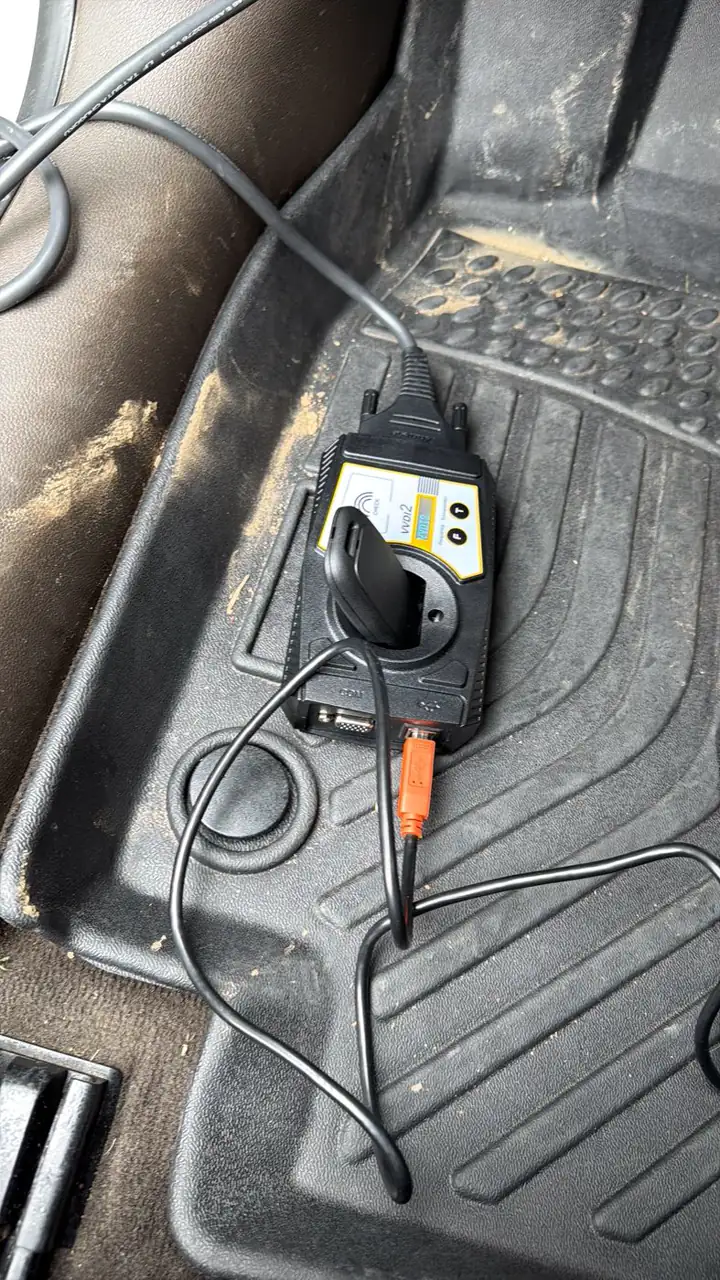
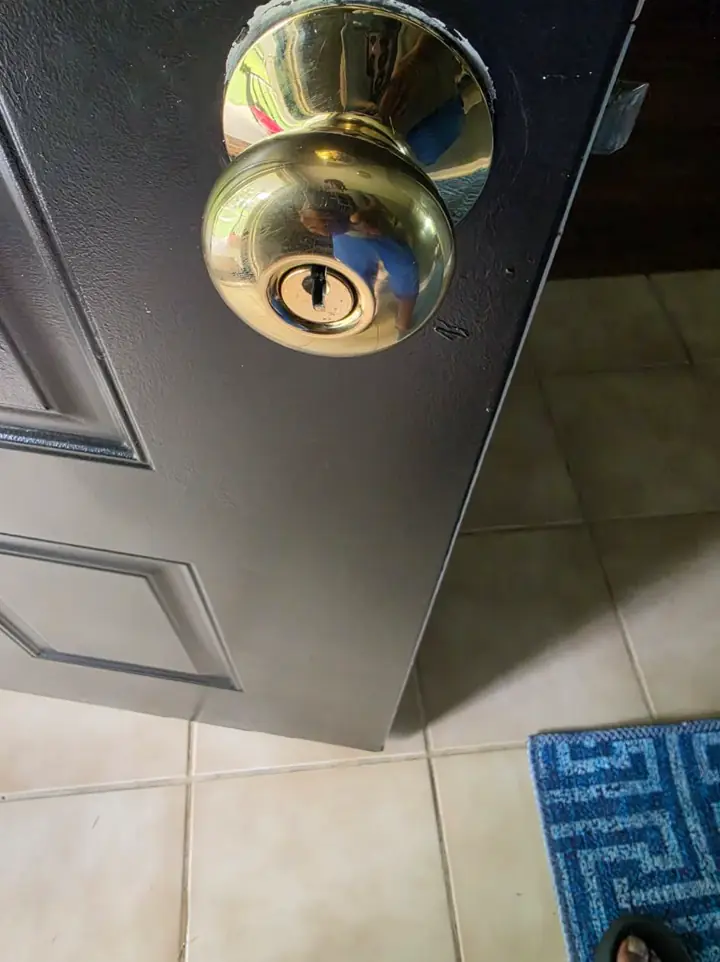
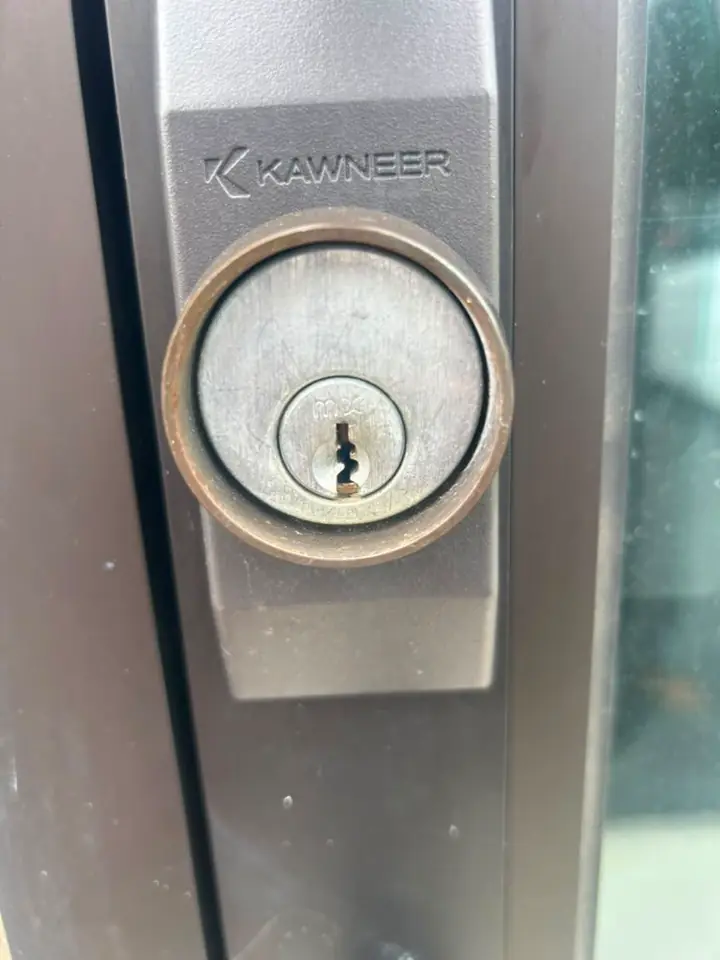
Photographed on our own jobs. No stock images.