
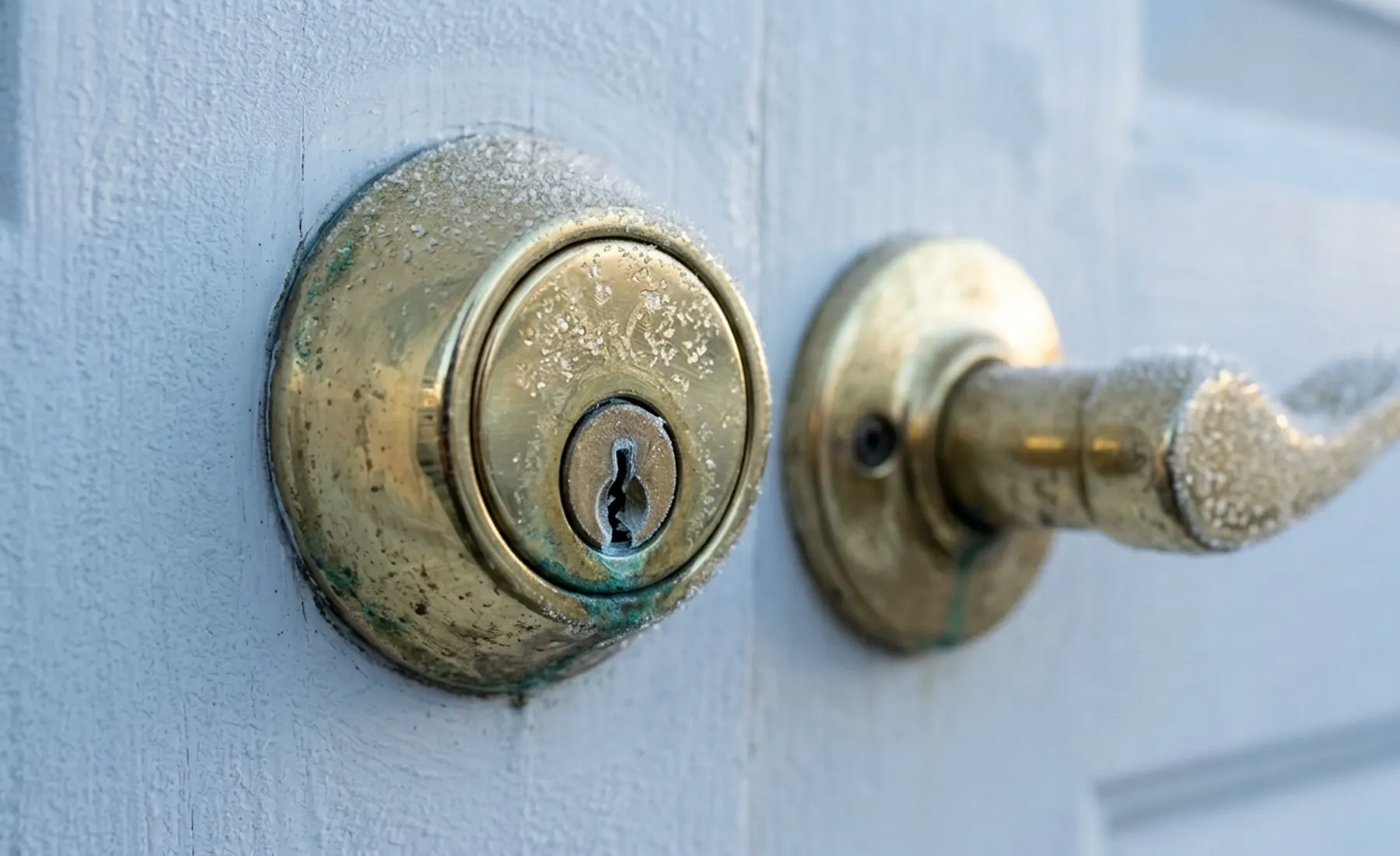
Most lock failures are preventable with basic seasonal care
The emergency locksmith call at 10 PM — the one where your key won’t turn, your deadbolt is stuck, or your smart lock died — almost always had warning signs weeks or months earlier. A few minutes of maintenance each season prevents the expensive emergency later.
Why Delaware weather is hard on locks
We’re in a climate that gives locks the worst of everything:
- Summer humidity (June-September): Wood doors swell, pushing against frames and misaligning bolts. Moisture gets into lock cylinders and promotes internal corrosion.
- Winter cold (December-March): Frames contract, bolts miss strike plates, and lubricants thicken. Smart lock batteries drain faster in cold.
- Salt air (year-round near rivers): Homes within a mile of the Delaware River, Christina River, or Brandywine Creek get accelerated corrosion on exterior hardware.
- Temperature swings: Delaware gets 30°F mornings and 60°F afternoons in spring and fall. This constant expansion/contraction loosens screws and shifts alignment.
Spring maintenance (March-April)
What to do
Lubricate all exterior locks. Use dry graphite powder or a silicone-based lock lubricant (like Houdini or Tri-Flow). Squirt it into the keyhole and work the key in and out several times. This prevents the summer humidity from causing internal sticking.
Check door alignment. Close each exterior door and look at the gap between the door and frame. It should be even all around. If the door is rubbing at the top or bottom, the hinges may need adjustment before summer swelling makes it worse.
Test all deadbolts. Each deadbolt should throw fully (extend completely into the frame) and retract smoothly. If any bolt feels gritty, stiff, or doesn’t extend all the way, address it now — not in July when the door swells and makes it worse.
Replace smart lock batteries. Even if they’re not dead yet, fresh batteries going into summer means they’ll survive the heat-accelerated drain. Use lithium batteries for exterior smart locks — they handle temperature extremes better than alkaline.
Inspect strike plates. Check that the screws are tight and the plate hasn’t shifted. If you can see daylight between the bolt and the strike plate hole, the alignment has drifted and needs correction.
Summer maintenance (June-July)
What to watch for
Doors that suddenly stick. This is humidity swelling the wood. The lock isn’t broken — the door is pushing against the frame. Don’t force it. Options: plane the door edge (permanent fix), adjust hinges to shift the door slightly, or wait for fall when it shrinks back.
Smart locks draining batteries fast. Heat accelerates battery drain. If your exterior smart lock is in direct sun, batteries may last half as long as rated. Check monthly in summer.
Exterior hardware showing corrosion. Especially near the rivers. If you see green/white buildup on brass or zinc hardware, clean it with a brass cleaner and apply a thin coat of paste wax to slow future corrosion.
What NOT to do
Don’t spray WD-40 into your locks. WD-40 is a solvent, not a lubricant. It displaces moisture temporarily but then attracts dust and gums up. Within a few months, your lock will be stickier than before. Use proper lock lubricant.
Don’t force a sticking door. Slamming or kicking a swollen door damages the frame, loosens hinges, and can bend the deadbolt. If it’s sticking badly, use the back door until you can address the alignment.
Fall maintenance (September-October)
What to do
Lubricate again. Second application of the year. This prepares locks for cold weather when lubricants thicken.
Check weatherstripping. Worn weatherstripping lets cold air hit the lock mechanism directly, which can cause internal condensation and freezing. Replace any cracked or compressed strips.
Tighten all hardware. Temperature cycling through summer loosens screws. Check deadbolt mounting screws, strike plate screws, and hinge screws. Tighten anything that’s worked loose.
Test garage door locks and openers. Garage entry doors are often forgotten. Test the lock, check the seal, and replace opener batteries before winter.
Consider a lock de-icer. Keep a small bottle of lock de-icer (graphite-based) in your car or bag for winter mornings when the keyhole freezes.
Winter maintenance (December-January)
What to watch for
Keys that suddenly won’t turn. Cold contracts the frame, shifting the bolt’s alignment with the strike plate. A strike plate adjustment (moving it 1-2mm) usually fixes this. Don’t force the key — you’ll snap it inside.
Frozen keyholes. Moisture gets in during fall, then freezes. A lock de-icer or even breathing warm air into the keyhole can thaw it. Prevention: the fall lubrication creates a moisture barrier that reduces freezing.
Smart lock failures. Cold kills batteries faster. If your smart lock starts responding slowly or intermittently, replace batteries immediately — don’t wait for complete failure.
Deadbolts that won’t throw fully. The frame contracted and the bolt hits the edge of the strike plate instead of sliding into the hole. Adjust the strike plate or file the opening slightly larger.
The 15-minute seasonal checklist
Every season, spend 15 minutes on this:
- Lubricate all exterior lock cylinders (2 minutes per lock)
- Test each deadbolt — full throw and smooth retract (1 minute per door)
- Check door alignment — even gaps, no rubbing (visual check)
- Tighten any loose screws on hardware (1 minute per door)
- Check smart lock battery levels (30 seconds per lock)
Total time for a 3-door home: about 15 minutes. Cost: a $6 can of lock lubricant. Savings: avoiding a $150+ emergency service call when something fails at the worst possible time.
When maintenance reveals a bigger problem
Sometimes your seasonal check reveals something that needs professional attention:
- A deadbolt that won’t throw fully even after strike plate adjustment (internal mechanism worn)
- A cylinder that’s gritty even after lubrication (internal corrosion or worn pins)
- A door that sticks year-round regardless of weather (frame or hinge structural issue)
- A smart lock that drains batteries in weeks (motor strain from misalignment)
These are repair or replacement situations — not maintenance. Call us and we’ll diagnose whether it’s a repair or a replacement conversation.
Lock maintenance service in Delaware and nearby PA
Kwikey Locksmith handles lock repairs, adjustments, and replacements throughout Delaware and nearby Pennsylvania. If your seasonal check reveals a problem you can’t fix with lubricant and a screwdriver, call (302) 551-2550 and we’ll take a look.
Work from our own vans
Photos from jobs our technicians have finished across Delaware and nearby Pennsylvania. Every image below is our own work, taken on site.
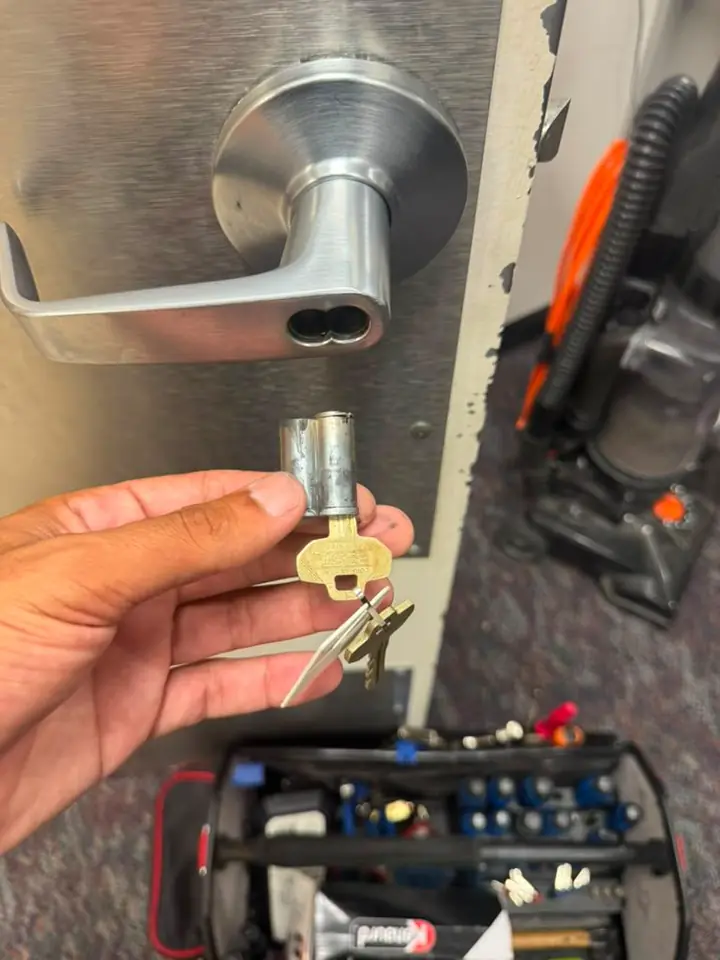
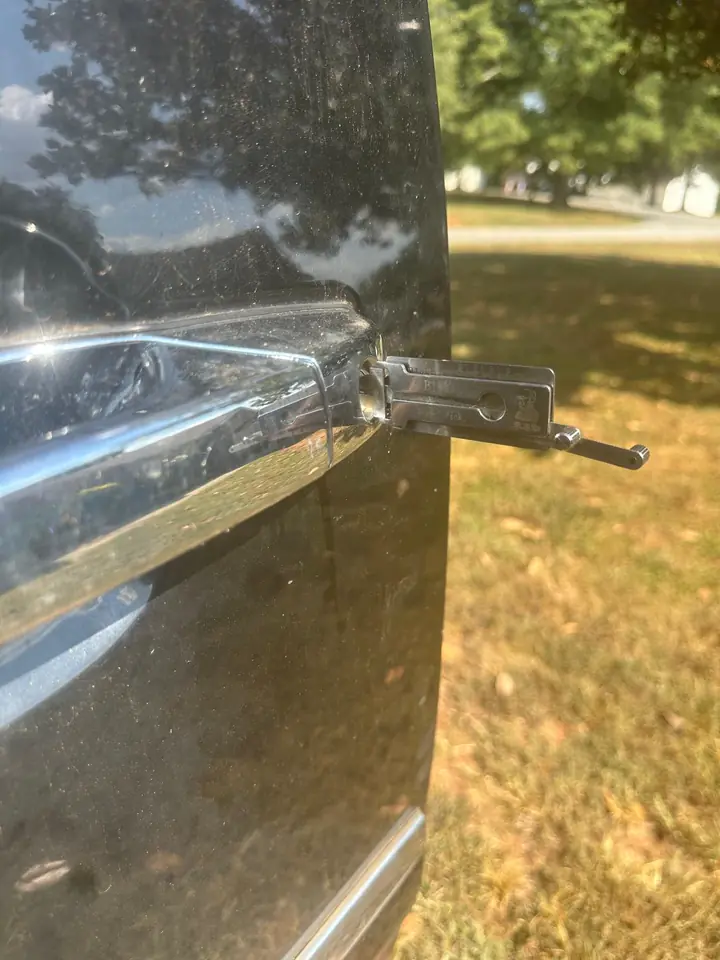
Photographed on our own jobs. No stock images.