
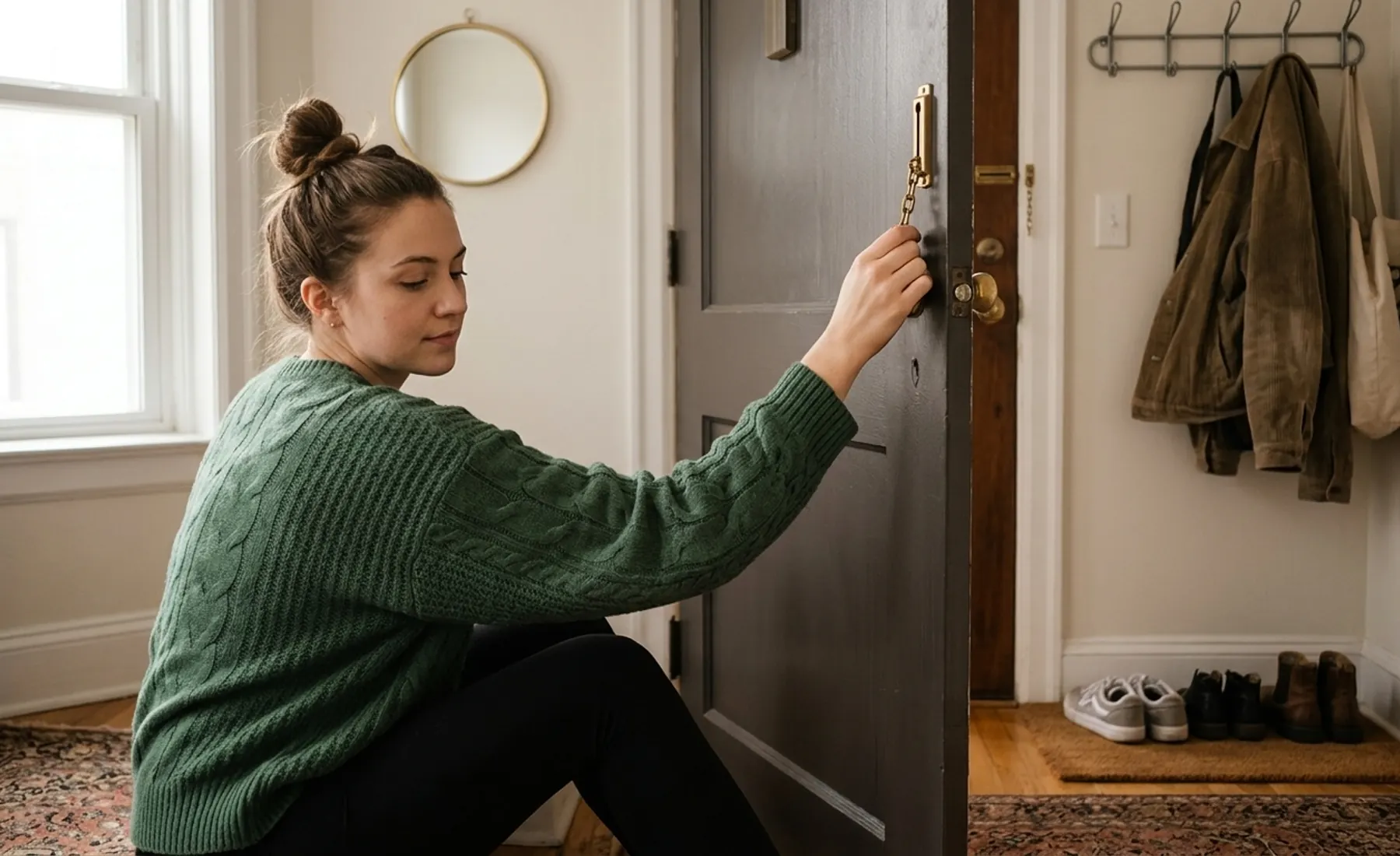
Renters have more lock options than most people think
If you rent in Delaware or nearby PA, you’ve probably wondered: can I change my locks? Do I have to live with whatever the landlord installed? What if the previous tenant still has a key?
The short answer: you have more options than you think, but some require landlord coordination. Here’s the practical guide.
What your lease probably says (and what it means)
Most leases require landlord notification for lock changes
This doesn’t mean you can’t improve your security — it means you need to communicate. The typical lease clause says something like “tenant shall not change locks without written permission from landlord.” This exists so the landlord can access the unit for emergencies and maintenance.
What this means in practice
- Rekeying is usually fine — the hardware stays the same, just the key changes. Give your landlord a copy of the new key.
- Adding a deadbolt where none exists — requires landlord permission since it involves drilling the door.
- Smart lock retrofit — often fine since the exterior doesn’t change (August-style locks mount inside).
- Full lock replacement — requires permission, but most landlords agree if you explain why.
Delaware tenant rights context
Delaware law doesn’t specifically address tenant lock changes, but landlords must provide “habitable” premises. If your locks are broken or inadequate (no deadbolt on an exterior door), you have grounds to request upgrades. Document the request in writing.
The real problem: previous tenants have your keys
This is the #1 security issue for renters, and most landlords don’t address it:
How many people might have keys to your apartment?
- Previous tenant (and their partner, friends, family)
- Previous tenant’s sublettors
- Maintenance workers from previous management
- Old cleaning services
- Neighbors who had spare keys
- Anyone the previous tenant gave a copy to
What good landlords do
Rekey between every tenant. It costs them a fraction of what a break-in costs in liability and insurance claims.
What many landlords actually do
Nothing. They hand you the same keys the last three tenants used.
What you can do about it
- Ask your landlord to rekey before move-in. Put it in writing. Many will do it if asked.
- Offer to pay for rekeying yourself. It’s inexpensive and gives you peace of mind.
- Rekey it yourself and give the landlord a new key. Most leases allow this with notification.
- If all else fails, add supplemental security — door reinforcement bars, window locks, a video doorbell.
Smart locks for renters: what works without permanent changes
August Wi-Fi Smart Lock (best for renters)
Mounts on the inside of your existing deadbolt. The exterior looks completely unchanged — your landlord’s key still works from outside. You get app control, auto-lock, and guest access from inside. When you move out, remove it in 5 minutes and reinstall the original thumb turn.
Wyze Lock Bolt
A keypad deadbolt that replaces your existing one. Keep the original lock in a drawer and reinstall it when you leave. Gives you code access without carrying keys.
Door reinforcement bars
Not a lock, but effective. A security bar braces against the floor and the door handle, preventing the door from being pushed open even if someone has a key. Good for nighttime peace of mind. No installation, no landlord permission needed, and you take it with you.
Apartment lockout reality in Delaware
Student rentals in Newark
UD-area apartments have high lockout rates — students rushing to class, coming home late, or lending keys to roommates who don’t return them. If you’re in a Newark rental, keep a spare with a trusted friend (not under the mat — everyone checks there).
Wilmington apartment buildings
Older buildings in Trolley Square, the East Side, and along Delaware Avenue often have outdated hardware. If your building has a shared entry with a buzzer system, your individual apartment lock is your only real security. Make sure it’s a deadbolt, not just a knob lock.
Suburban apartment complexes (Bear, Newark, Middletown)
Newer complexes often use electronic access for building entry but standard Kwikset on individual units. The building access is fine — but your unit lock is the same Grade 3 hardware the builder installed. Consider asking management about upgrading to a keypad lock.
What to do if you’re locked out of your apartment
- Check if your building has a management office or emergency maintenance number. Many complexes have after-hours lockout procedures.
- Call your landlord. They may have a master key or spare.
- Call a locksmith. You don’t need landlord permission for a lockout — just proof you live there (ID, lease, utility bill, or mail with your name and address).
- Don’t break in. Forcing a door or window can get you in trouble with your landlord AND potentially with police if neighbors call.
The move-out checklist
When you leave a rental:
- Reinstall any original hardware you removed (smart locks, upgraded deadbolts)
- Return all keys including copies
- Document the condition of locks and doors (photos)
- If you rekeyed during your tenancy, either rekey back to the landlord’s key or give them all copies of the current key
Apartment lock service in Delaware and nearby PA
Kwikey Locksmith handles apartment lockouts, rekeying, and lock upgrades for renters throughout Delaware and nearby Pennsylvania. We work with tenants and landlords — and we always verify you have the right to be there before opening anything.
Call (302) 551-2550 with your address and situation.
Work from our own vans
Photos from jobs our technicians have finished across Delaware and nearby Pennsylvania. Every image below is our own work, taken on site.
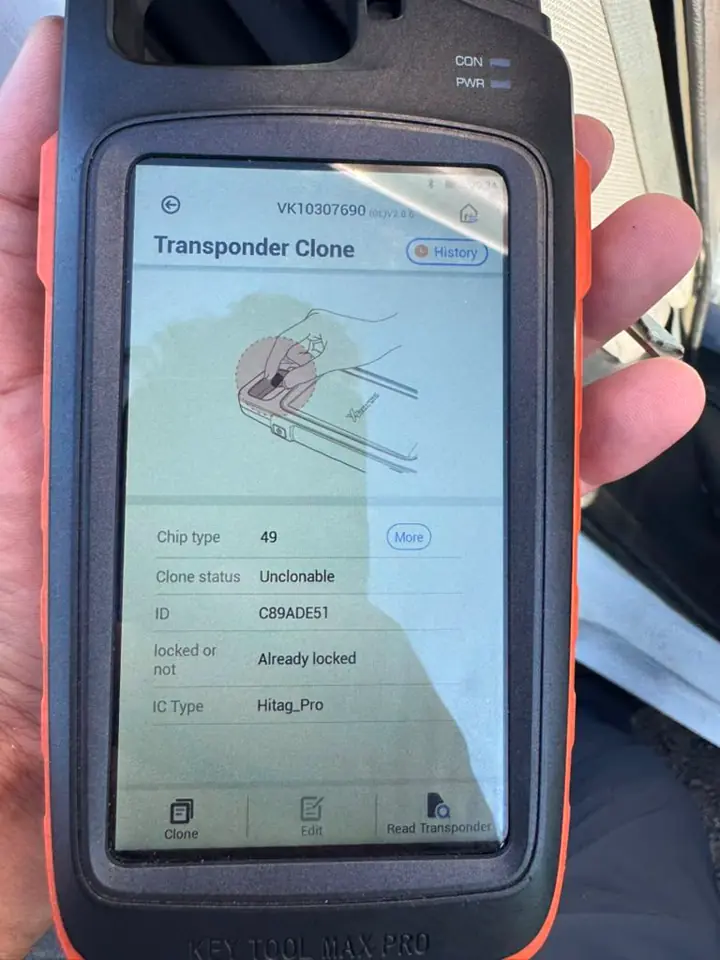
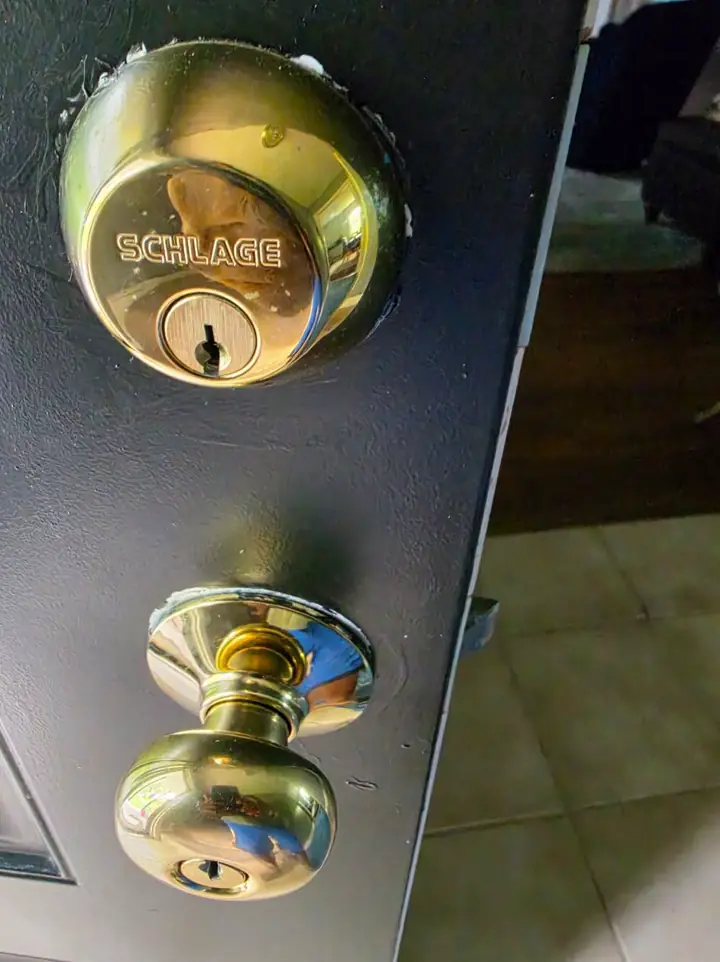
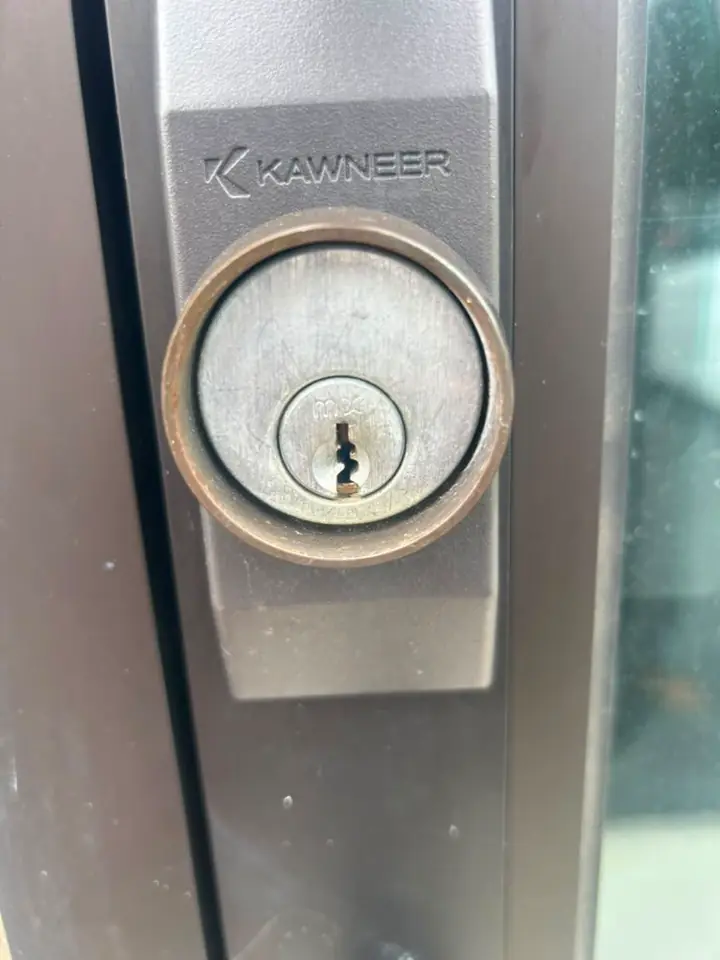
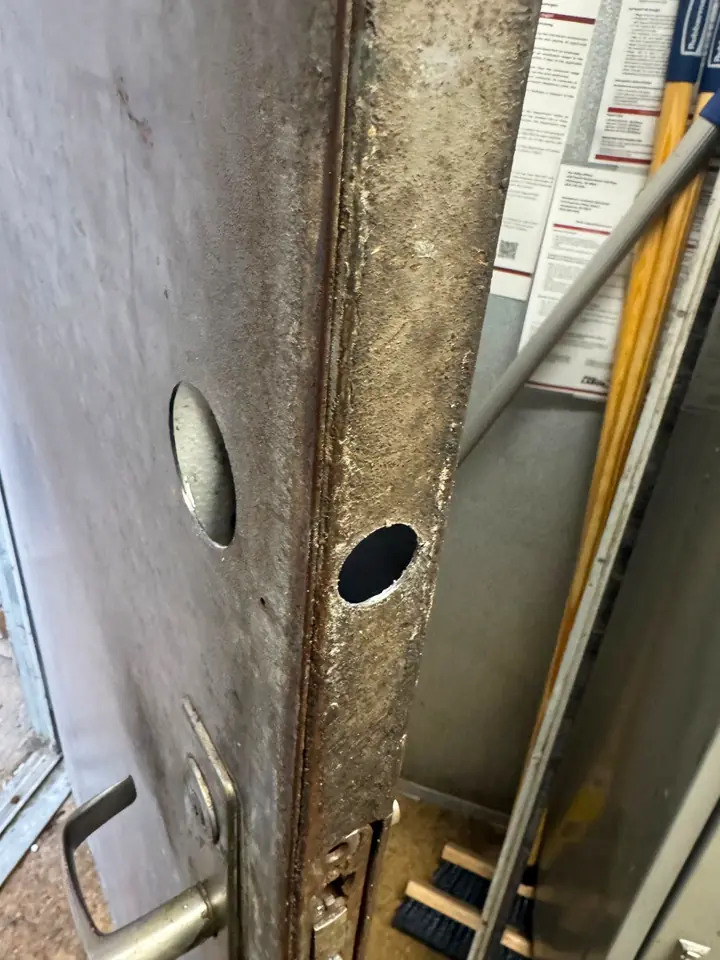
Photographed on our own jobs. No stock images.