
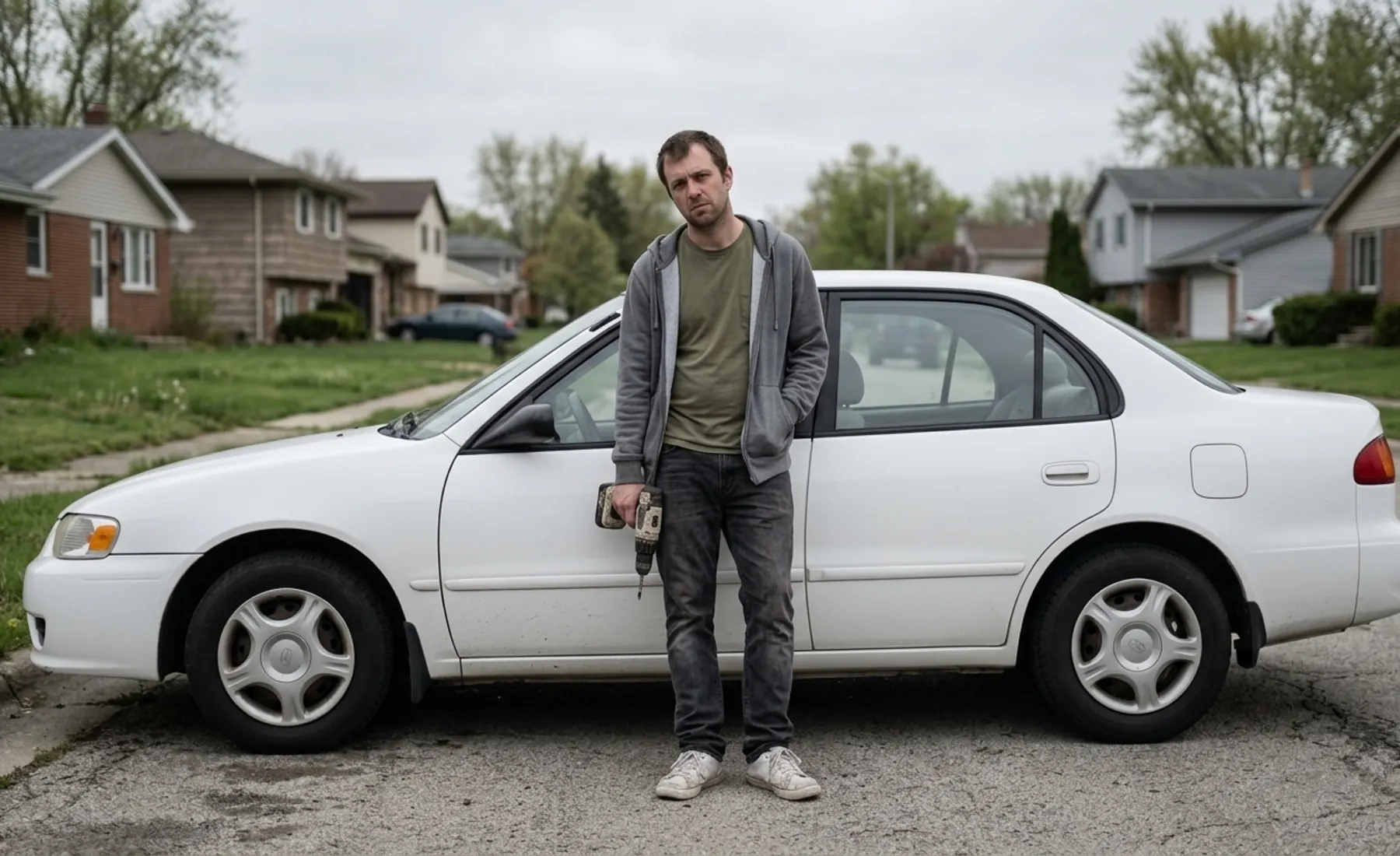
The locksmith scam is real — and it happens in Delaware and PA every week
You’re locked out. You Google “locksmith near me.” You call the first number. Someone quotes you a low price. Then a person shows up in an unmarked car, claims your lock is “high-security” or “needs drilling,” and the bill triples. You feel trapped — they’re already there, you’re still locked out, and now they’re pressuring you to pay.
This isn’t a rare occurrence. It’s a business model. And it operates actively in the Wilmington, Newark, and Philadelphia metro area.
How the scam works in our market
Here’s the playbook these operations follow:
Step 1: The fake local presence
A call center — often based out of state — buys dozens of Google Ads for “locksmith near me” in every zip code. They answer with a generic name like “always-open locksmith” or “Local Lock Service.” They have no physical shop, no branded vehicles, and no permanent staff in Delaware.
Step 2: The low-ball phone quote
They quote something absurdly low — $35 or $49 — to get you to commit. This number has no relationship to what they’ll actually charge.
Step 3: The unmarked arrival
A random person shows up in a personal vehicle with no company branding. They may or may not have proper tools. They often don’t ask for ID or proof you live there (a real locksmith always verifies).
Step 4: The price explosion
Once they’re at your door, the story changes. “Oh, this is a high-security lock — that’s extra.” “I need to drill this — that’s a different price.” “There’s an after-hours surcharge I didn’t mention.” The $35 quote becomes $300-$500.
Step 5: The unnecessary destruction
Many scam operators drill locks that could easily be picked. Why? Because a drilled lock needs replacement — and they happen to have a cheap lock in their car that they’ll install for another $100-$200. You end up with worse hardware than you started with.
How to verify a real locksmith before you call
Check for a physical address
A real locksmith has a real shop. Search the company name — can you find a physical address on Google Maps with Street View showing an actual business? Kwikey’s shop is at 211 Maryland Ave in Wilmington. You can drive there and see the vans.
Look at review history
Scam operations either have zero reviews or a sudden burst of fake 5-star reviews all posted within a few weeks. Real businesses accumulate reviews gradually over months and years, with specific details about the work done.
Ask these questions on the phone
- “What’s your physical address?” (Hesitation or a P.O. box is a red flag)
- “Will the person arriving have a branded vehicle?” (Real companies say yes)
- “Will they show ID?” (Real locksmiths always identify themselves)
- “How is the price determined?” (Real answer: on-site after seeing the lock. Scam answer: a suspiciously low flat rate)
On arrival, check for these signs
Legitimate locksmith:
- Arrives in a branded vehicle
- Shows ID or company credentials without being asked
- Asks for YOUR ID to verify you live there
- Looks at the lock before discussing price
- Tries non-destructive entry first
- Confirms the price before starting
Scam operator:
- Arrives in an unmarked personal vehicle
- Doesn’t show ID
- Doesn’t ask for YOUR ID (they don’t care if you belong there)
- Quotes a price without looking at the lock
- Wants to drill immediately
- Changes the price after starting
What to do if you’re being scammed mid-job
You have rights:
- Tell them to stop. You can refuse service at any point before work is complete.
- Don’t pay an inflated price under pressure. If the price changed from what was discussed, you’re not obligated to pay the new amount.
- Document everything. Take photos of their vehicle (no branding), their “tools,” and any damage they caused.
- File a complaint. Contact the Delaware Attorney General’s Consumer Protection Unit or the PA Attorney General’s Bureau of Consumer Protection.
- Leave a review. Warn others by reviewing the company (or phone number) on Google.
Why this matters more than you think
Beyond the money, scam locksmiths create real security problems:
- They install cheap locks that fail within months
- They damage doors and frames during unnecessary drilling
- They don’t verify identity — meaning they’d open YOUR door for a stranger too
- They leave you with hardware that’s less secure than what you had before
The Delaware market specifically
Delaware doesn’t require locksmith-specific licensing (unlike some states). This makes it easier for scam operations to set up here. There’s no state license to check. That means the burden is on you to verify legitimacy through other means: physical address, review history, branded vehicles, and professional behavior on arrival.
The legitimate locksmiths in this area — including us — have been here for years with real shops, real teams, and real track records. The scam operations rotate phone numbers and names every few months to stay ahead of bad reviews.
Save a real locksmith’s number before you need one
The worst time to research locksmiths is when you’re locked out at 9 PM. Save a local number now — before the emergency — so you’re not Googling in a panic and falling for the first ad that pops up.
Kwikey Locksmith: (302) 551-2550. Shop at 211 Maryland Ave, Wilmington. Same location since 2009.
Work from our own vans
Photos from jobs our technicians have finished across Delaware and nearby Pennsylvania. Every image below is our own work, taken on site.
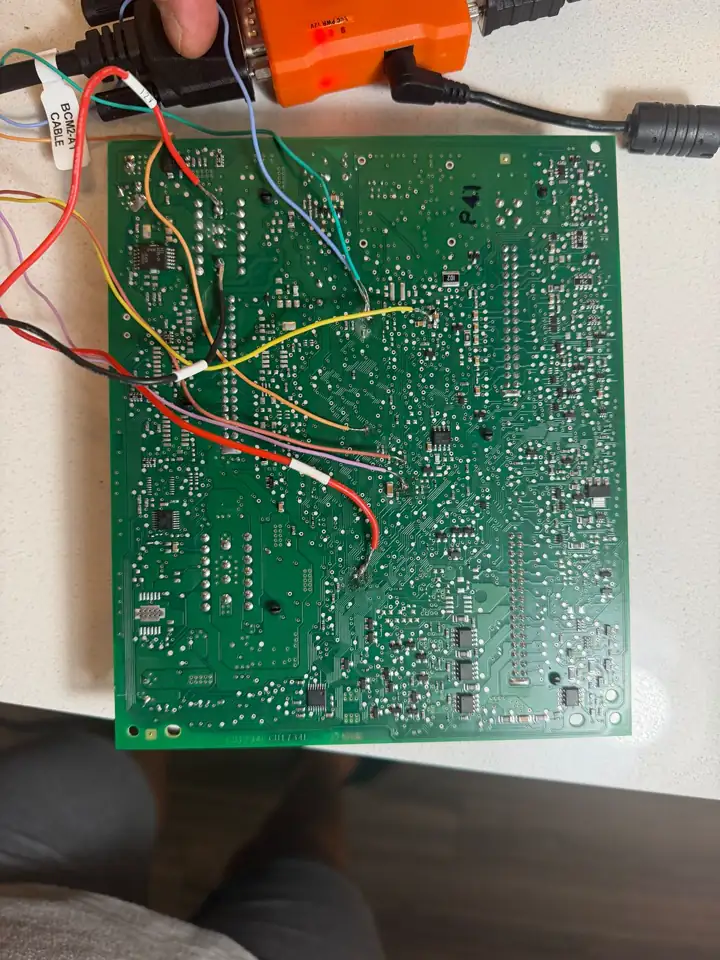
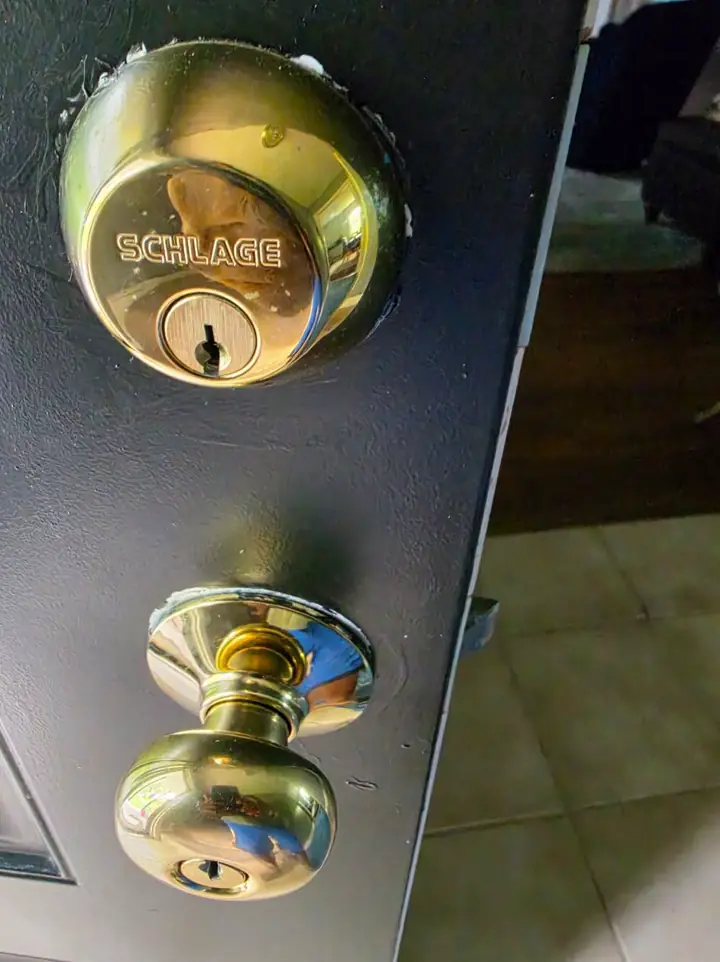
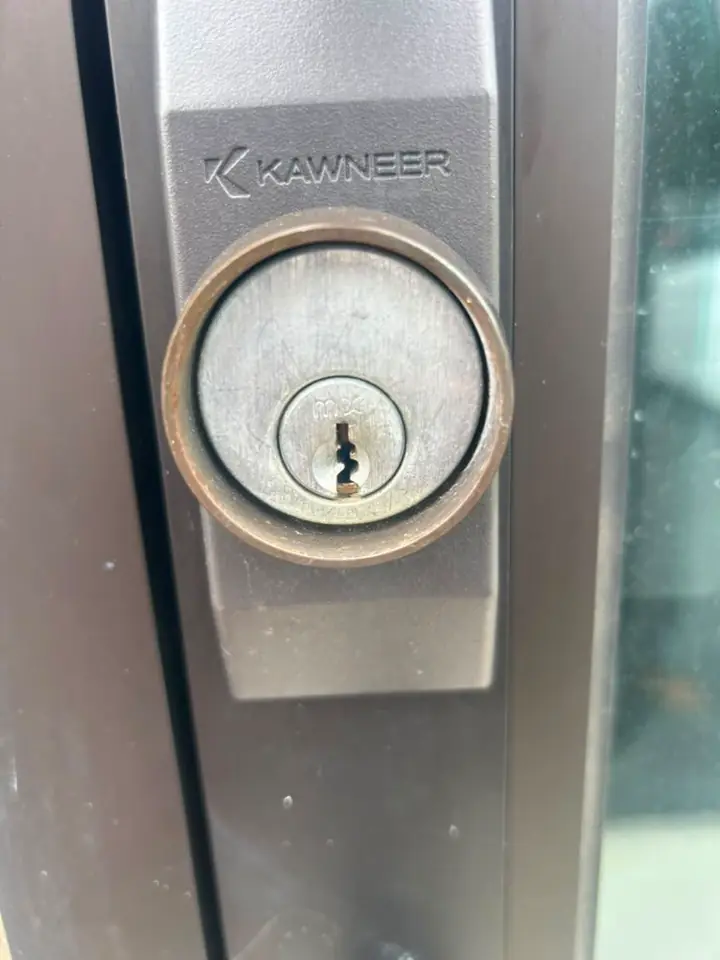
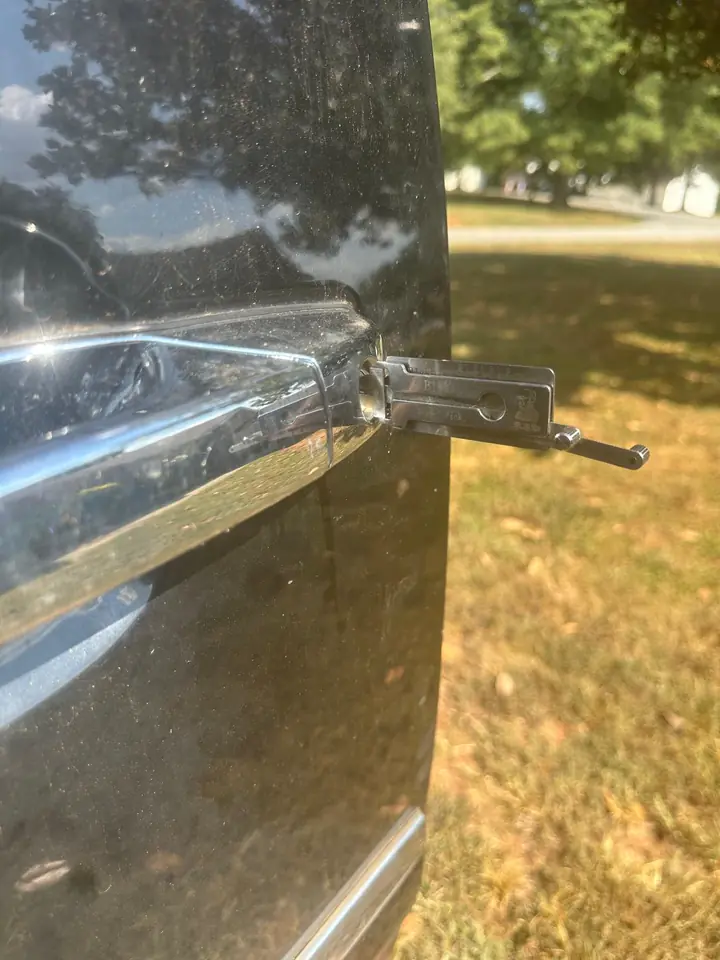
Photographed on our own jobs. No stock images.