
Car key replacement depends on the key type and vehicle system
Most newer car keys are not just cut metal. They may include a transponder chip, remote buttons, proximity electronics, or dealer-restricted programming. Knowing your key type helps assess price, timing, and whether mobile service can help.
Before you replace a key, make sure the key is the actual problem. A worn key and a worn ignition cylinder can feel the same, and our spare-key test for a key that won't turn shows which one you have.
Common car key types
Traditional Metal Keys (Pre-1996)
- Simple cut metal key
- No electronic components
- Can be duplicated at hardware stores
- No programming required
Transponder Keys (1996-Present)
- Metal key with embedded microchip
- Chip communicates with car’s immobilizer
- Must be programmed to your specific vehicle
- High security - car won’t start without proper chip
Remote Key Fobs (Early 2000s-Present)
- Key with integrated remote buttons
- Lock/unlock, panic alarm, trunk release
- Usually includes transponder chip
- Requires programming for both key and remote functions
Smart Keys / Proximity Keys (2007-Present)
- Keyless entry and push-button start
- Key stays in pocket or purse
- Communicates via radio frequency
- Most expensive to replace
Key Cards (Select Vehicles)
- Slim card format (Tesla, some Renault/Mazda models)
- Tap to unlock or start
- Easy to carry in wallet
When a mobile locksmith can be the better path
Mobile advantages
- On-site service: We bring key cutting and programming tools when the vehicle is supported
- Same-visit potential: Many keys can be completed during the scheduled appointment
- No towing: Don’t pay for a tow to the dealer
- Lost-key support: We can often make keys even when you have none
Key blank and programming check
- Compatible key blanks matched to the vehicle
- Programming equipment selected for your year, make, and model
- Work is tested and verified before we leave
- Background-verified and insured specialists
What to have ready for car key replacement
Vehicle information
We need your:
- Make, model, and year
- VIN number
- Proof of ownership (registration or title)
- Photo ID
Key cutting
- We carry blanks for most vehicles
- Key is precision-cut to match your locks
- Can cut to code from VIN if no working key exists
Key programming
- Connect to vehicle’s OBD port
- Program transponder chip
- Sync remote functions
- Test all features
Final testing
- Start engine multiple times
- Test all remote functions
- Verify backup key (if applicable)
Dealer vs. locksmith: an honest comparison
Let’s be straightforward about when to call us and when to go to the dealer:
A mobile locksmith is usually the better path when:
- Toyota, Honda, Ford, Chevy, Nissan, Hyundai, Kia (most years): These are our bread and butter. We carry the blanks, we have the programming tools, and we can do it at your location. No tow truck needed.
- You’ve lost all keys: We can make a key from scratch using your VIN and on-board programming. The dealer can too, but you’d need to tow the car there first.
- You’re stuck somewhere: We come to you. The dealer requires the car at their lot during business hours.
The dealer is sometimes the only option when:
- BMW, Mercedes, some Audi models: Many of these have restricted key systems that require dealer-only software. We’ll tell you upfront if your vehicle falls in this category rather than waste your time.
- Brand-new vehicles still under warranty: Some manufacturers tie key programming to warranty service. Check your warranty terms.
- Vehicles with known security lockouts: Some systems lock out all programming after too many failed attempts and need a dealer reset.
Specific vehicles we handle well
- Toyota/Lexus (2000-present): Straightforward programming, we carry all common blanks
- Honda/Acura (1996-present): Reliable process, usually done in 30-45 minutes
- Ford/Lincoln (1996-present): Good tool support, including push-to-start models
- Kia/Hyundai (2011-present): These had well-publicized theft vulnerabilities (the “Kia Boys” issue). We can program proper immobilizer keys and in some cases help with the software update that addresses the theft problem.
- Jeep/Dodge/Chrysler: Generally straightforward, though some newer Stellantis models are tightening restrictions
What to have ready when you call
Have this information before you pick up the phone — it saves time for everyone:
- Year, make, model, and trim (the trim matters — a base model and a top trim sometimes use different key systems)
- Do you have any working key? Even a valet key or a key that only opens the door counts. Having one working key makes programming faster and often cheaper.
- VIN number (on your registration, insurance card, or visible through the windshield on the driver’s side)
- Proof of ownership — registration or title. We won’t make keys without it. Period.
Realistic timing
- Key duplication (you have a working key): 20-40 minutes on site
- All keys lost (common vehicles): 45-90 minutes on site
- All keys lost (complex systems): Up to 2 hours, sometimes requiring a return visit if the car’s computer needs a reset period
Reduce the cost and stress of the next lost key
Keep a spare key plan
- Keep spare key in a secure spot at home
- Note your key code (often on original key tag)
- Consider key insurance for luxury vehicles
If every key is lost
- Have VIN ready when you call
- Proof of ownership required
- Consider replacing all keys if stolen
Maintain fobs and transponder keys
- Replace remote batteries annually
- Keep away from magnets and extreme heat
- Don’t mix with other keys on heavy keyring
- Get spare made before you need it
Automotive locksmith services in Delaware and nearby Pennsylvania service areas
Kwikey Locksmith helps with:
- Car lockouts: Careful vehicle entry
- Key Cutting: Many common domestic, import, and luxury vehicles
- Transponder Programming: 1996-present
- Key Fob Replacement: With full programming
- Smart Key Programming: Most vehicles
- Ignition Repair: Stuck or damaged ignitions
- Lock Rekeying: Match locks to new key
Service area
Mobile service throughout:
- All of Delaware
- Delaware County, PA
- Chester County, PA
- Montgomery County (parts)
Call Kwikey Locksmith for mobile car key replacement timing, compatibility, and pricing.
Work from our own vans
Photos from jobs our technicians have finished across Delaware and nearby Pennsylvania. Every image below is our own work, taken on site.
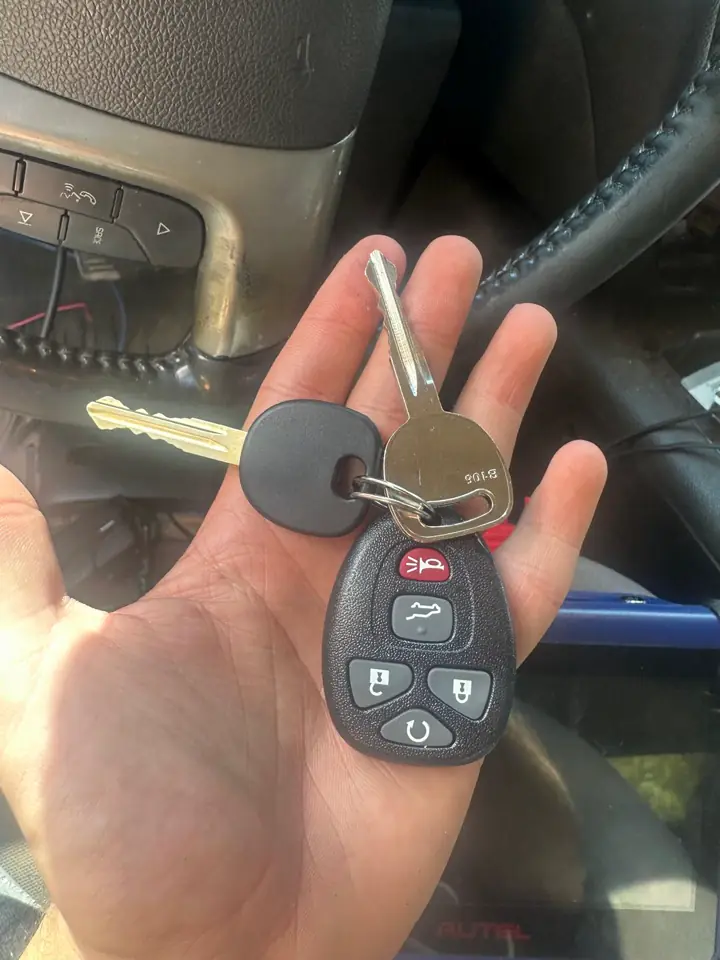
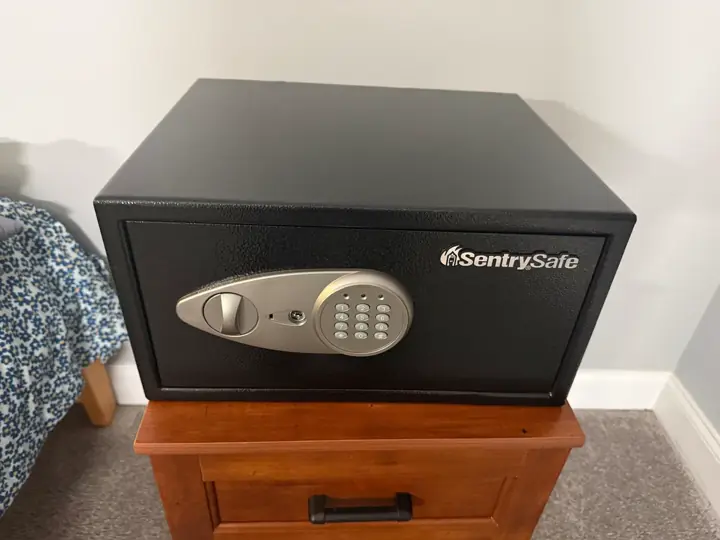
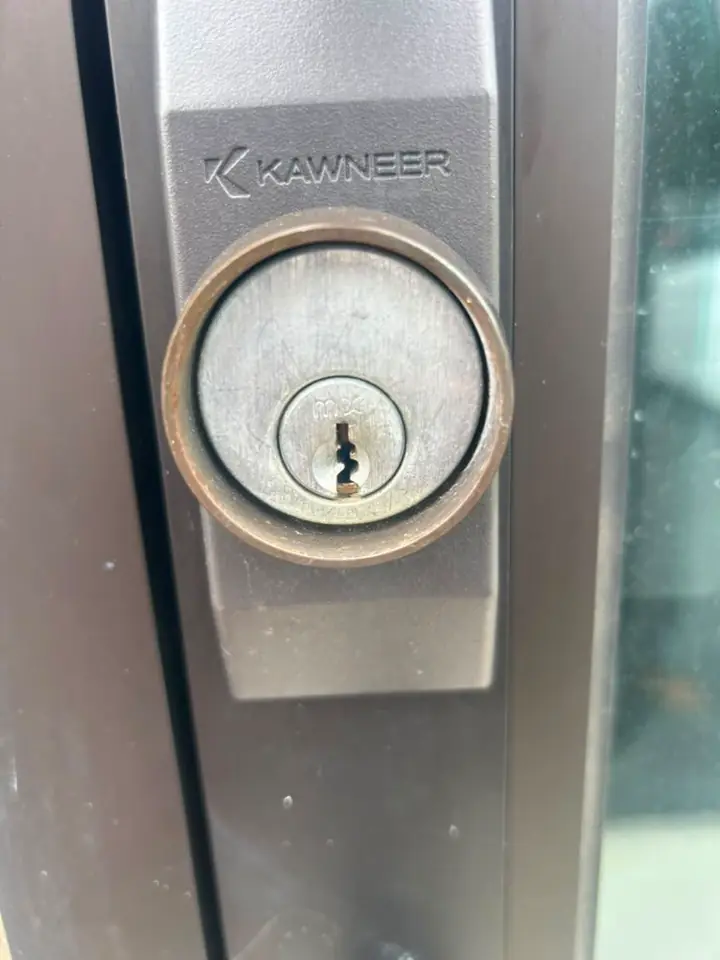
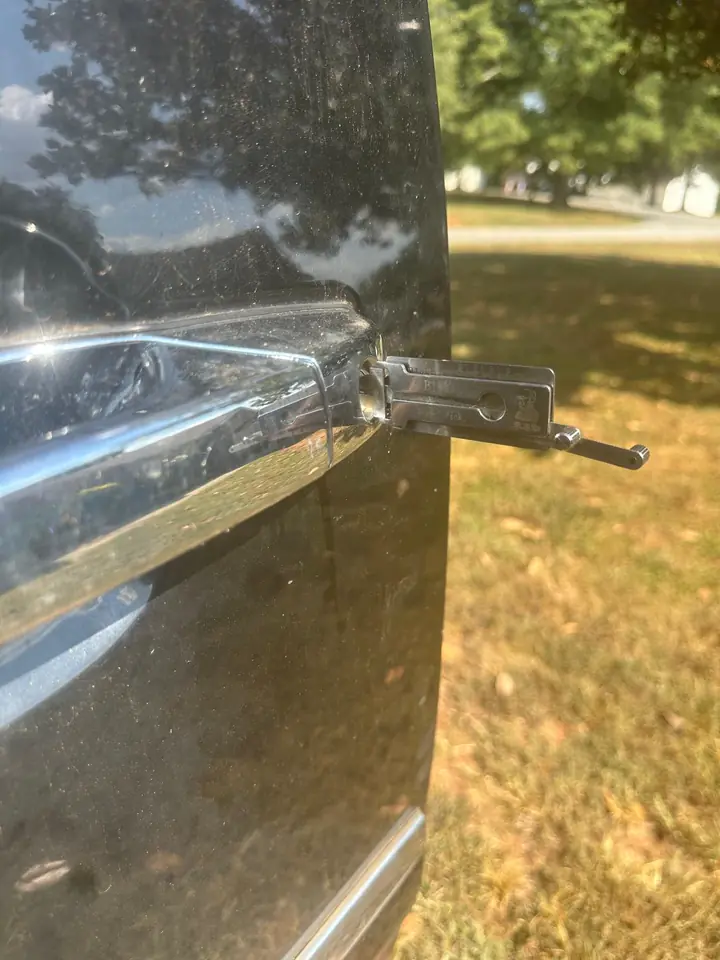
Photographed on our own jobs. No stock images.