
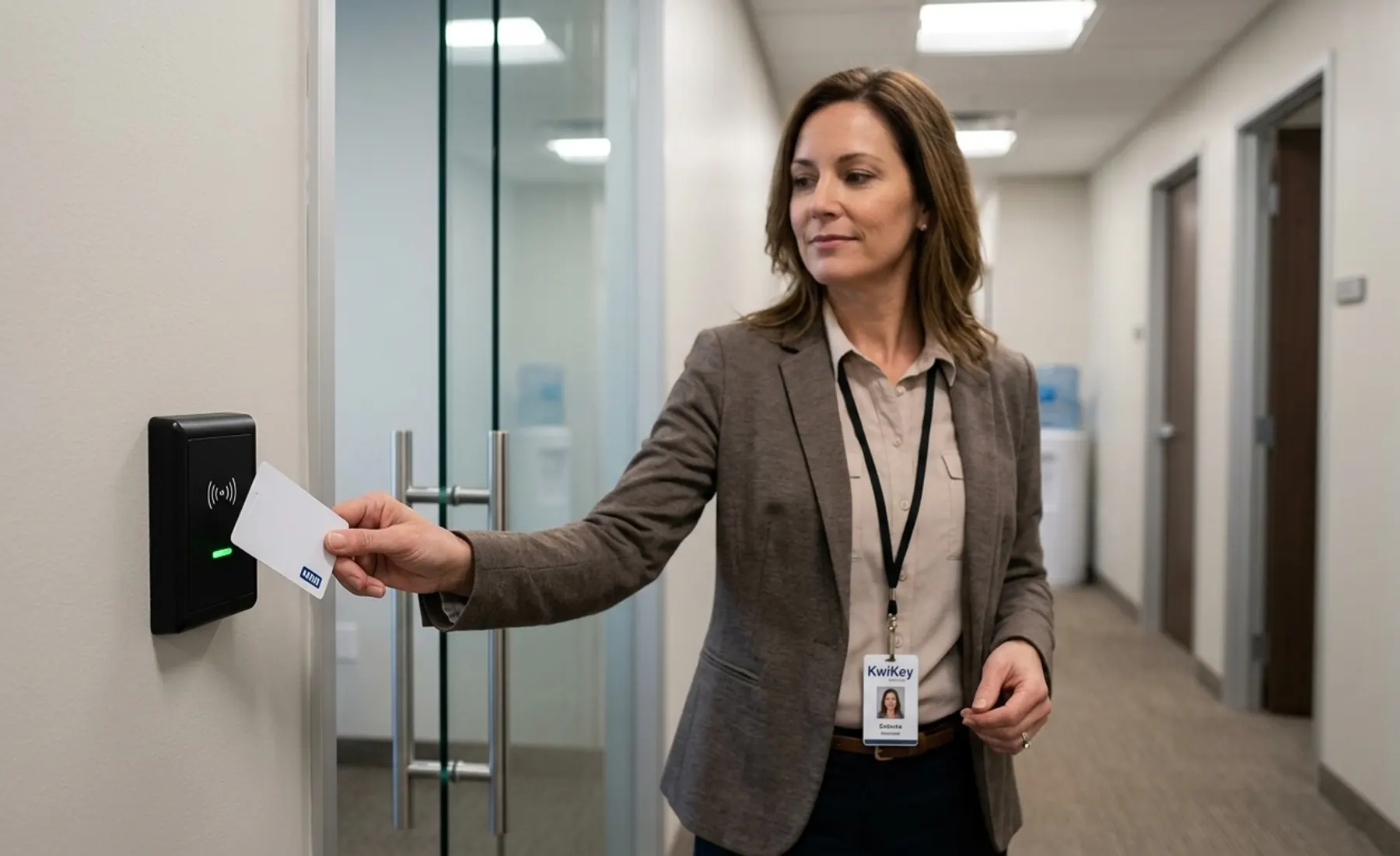
Access control gives businesses better control than shared keys
If your Delaware business still relies on shared physical keys, access control can reduce lost-key risk, show who entered, and make staff changes easier to manage.
What access control does
Access control systems replace traditional keys with electronic credentials,key cards, fobs, PIN codes, or even smartphone apps. Beyond simple entry, these systems track who enters, when they enter, and where they go.
Business problems access control solves
Lost keys stop requiring a full rekey
When an employee loses a traditional key, you face a choice: hope nobody finds it, or rekey the affected doors. With access control, the lost credential can be deactivated and replaced.
Entry logs show who used each door
Access logs show which credential used each door and when. This is valuable for:
- Investigating incidents
- Monitoring employee attendance
- Verifying contractor access
- Liability protection
Access schedules limit after-hours risk
Set specific access hours for different employees. Your cleaning crew can enter only after hours. Part-time staff can access only during their shifts. No more worrying about who has keys to what.
Remote management helps when permissions change
Many modern systems let you manage access from anywhere. Grant temporary access to a delivery driver while sitting in a meeting. Lock down the building instantly during an emergency.
Types of Access Control
Standalone Systems
Fit: small businesses with one or two doors. Each door has its own keypad or card reader. Simple, focused, and effective for basic needs.
Networked Systems
All doors connect to a central management system. Ideal for multi-door facilities where you need coordinated access control and centralized reporting.
Cloud-Based Systems
Manage access from your phone or computer. Updates happen automatically, which helps owners change permissions without visiting the door.
Access control cost factors
Access control pricing varies widely based on:
- Number of doors
- Type of credentials (cards vs. biometric)
- Whether doors need electric strikes or maglocks
- Software and monitoring features
For a small business with 2-3 doors, the right system can reduce rekeying costs, make employee turnover easier, and give owners clearer control over who can enter.
Access control may fit your business if you:
- Have multiple employees with varying access needs
- Have frequent staff turnover
- Track who enters and when
- Want to eliminate physical key management
- Have concerns about unauthorized key copies
Access control installation in Delaware and nearby Pennsylvania service areas
Real Delaware business scenarios we’ve solved
Every business has different access problems. Here’s what we actually see and install in the area:
Medical offices on Concord Pike. HIPAA compliance means you need access logs showing exactly who entered the records room and when. We’ve set up card reader systems for dental practices and specialist offices where the front desk staff needs full access, but clinical staff only enters patient areas. The audit trail isn’t optional here — it’s a regulatory requirement, and a simple keypad won’t generate the reports an auditor wants to see.
Restaurants and bars on Trolley Square and Delaware Avenue. Staff turnover in food service is constant. When a bartender quits on bad terms, you don’t want to wonder if they copied the key. We install keypad systems where the manager changes the code in 30 seconds instead of calling us for a rekey. Some restaurants run different codes for opening crew vs. closing crew so they know who was actually there.
Warehouses and distribution centers on Route 13. Gate access is the big one here. Delivery drivers need in during business hours, but the lot needs to be locked down at night. We’ve installed systems with time-based access where the gate code only works 6am-6pm on weekdays, and management gets all-hours access on a separate credential.
Property management companies in downtown Wilmington. Managing 50+ units with physical keys is a nightmare we help people escape from. Cloud-based systems let property managers grant access to maintenance crews, contractors, and new tenants without driving across town to hand over keys.
Honest brand recommendations
We install several systems and have opinions about what works:
- Alarm Lock Trilogy — workhorse keypad locks for single doors. Reliable, not fancy. Good for a back office or stockroom where you just need a code.
- HID/Mercury panels — the commercial standard for multi-door networked systems. Not cheap, but the software is solid and integrators support it well.
- Openpath or Brivo — cloud-based systems that work well for property managers and multi-site businesses. Phone-based credentials mean no cards to lose.
- Yale/August commercial — decent for small retail. Not what we’d put on a warehouse, but fine for a boutique on Market Street.
We avoid the cheapest Amazon keypads for commercial use. They work for about a year, then the buttons wear out or the electronics fail in humidity. For a business, that’s a false economy.
Start small, expand later
You don’t need to wire every door on day one. Our recommendation for most small businesses: start with one or two critical doors — the main entrance and the server room, or the back door and the stockroom. Live with the system for a month. Learn the software. Then expand to additional doors once you know what you actually need.
A single-door keypad or card reader is a manageable first step. It solves the immediate lost-key problem and gives you a feel for how electronic access fits your workflow. We design every system with expansion in mind so adding doors later doesn’t require starting over.
Kwikey Locksmith designs and installs access control systems throughout Delaware and nearby Pennsylvania service areas. We assess your current security, match hardware and credentials to the doors, budget, and code needs, and handle the complete installation.
Call (302) 551-2550 to review doors, users, and access-control options.
Work from our own vans
Photos from jobs our technicians have finished across Delaware and nearby Pennsylvania. Every image below is our own work, taken on site.
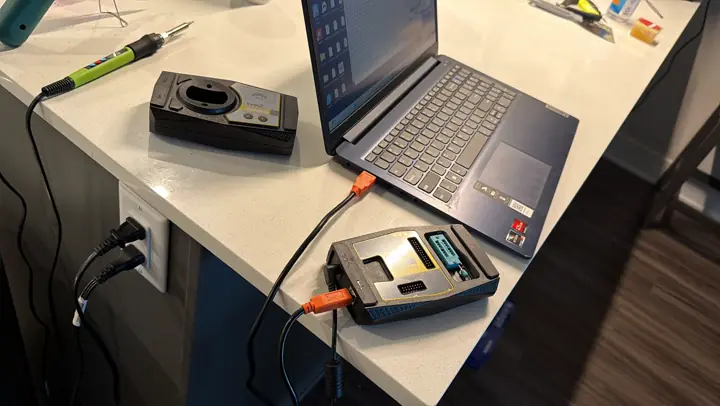
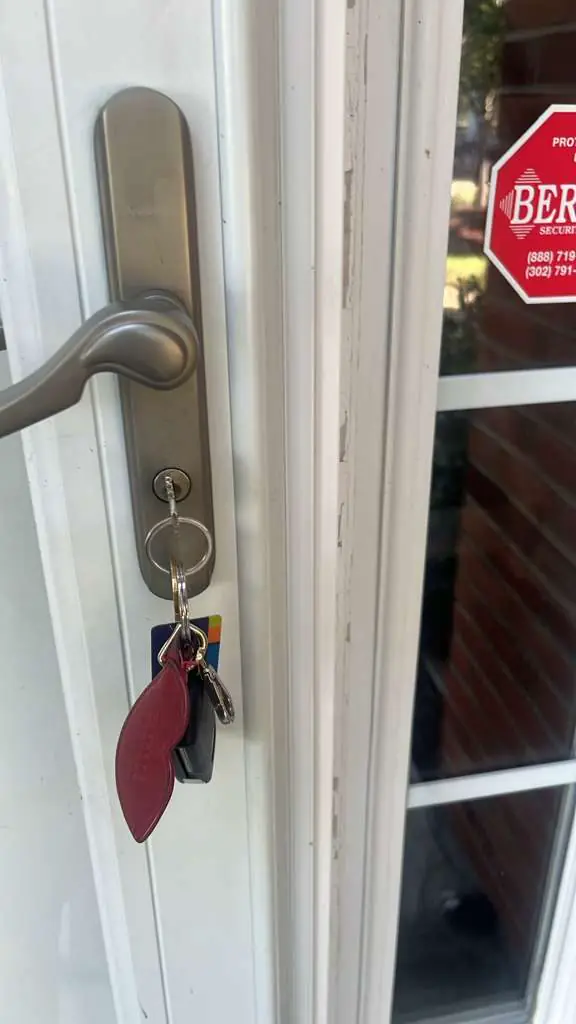
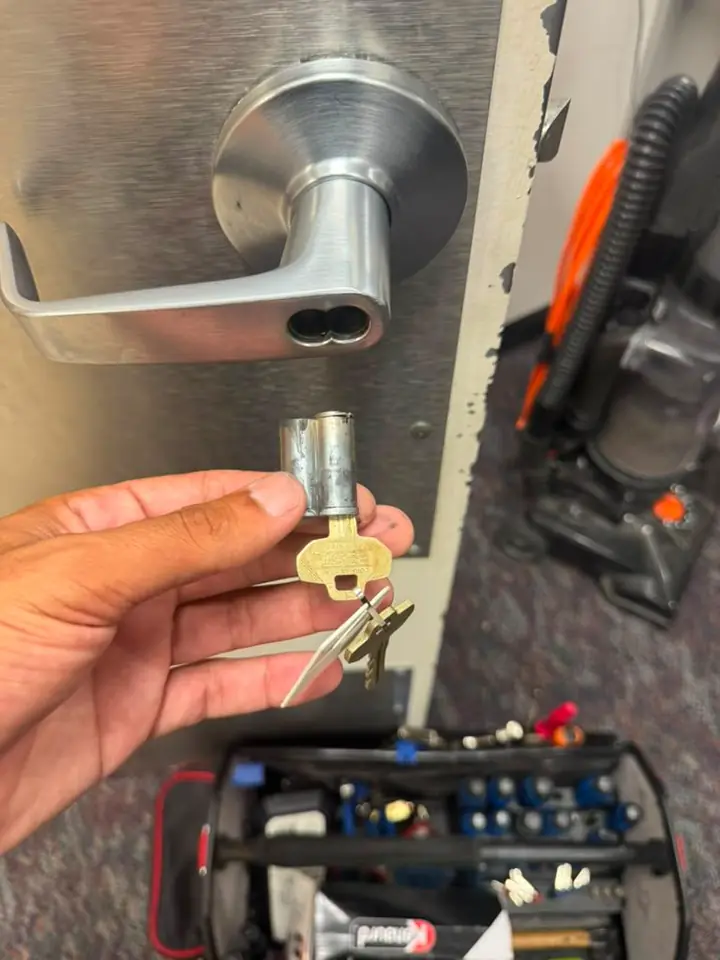
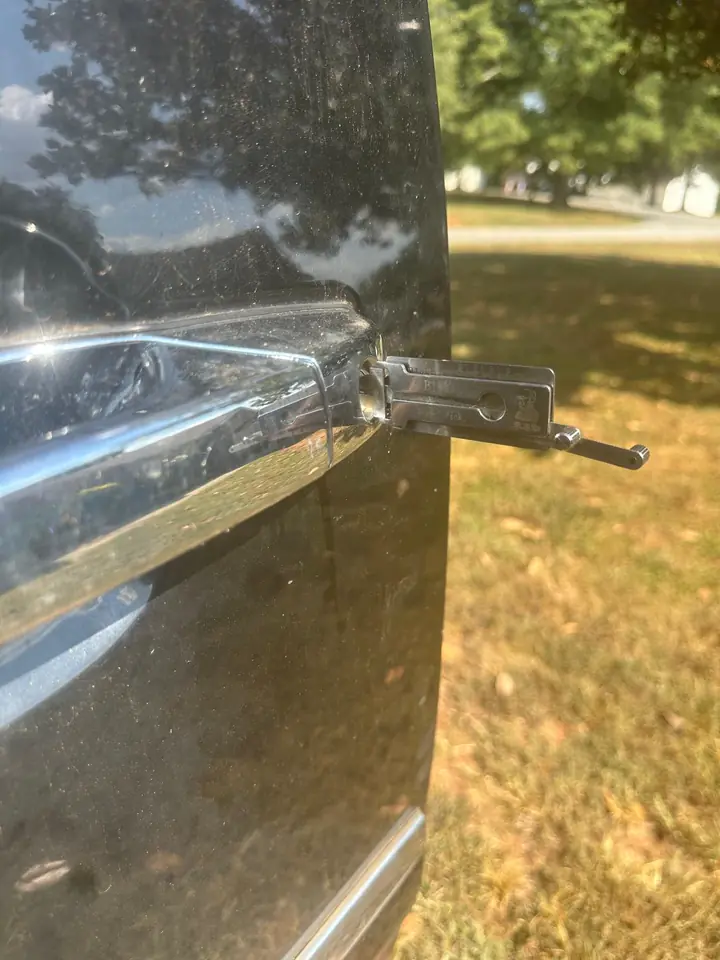
Photographed on our own jobs. No stock images.